From the Ground Up: Why the Dirt Your Hemp Grew In Determines What's Actually in Your CBD
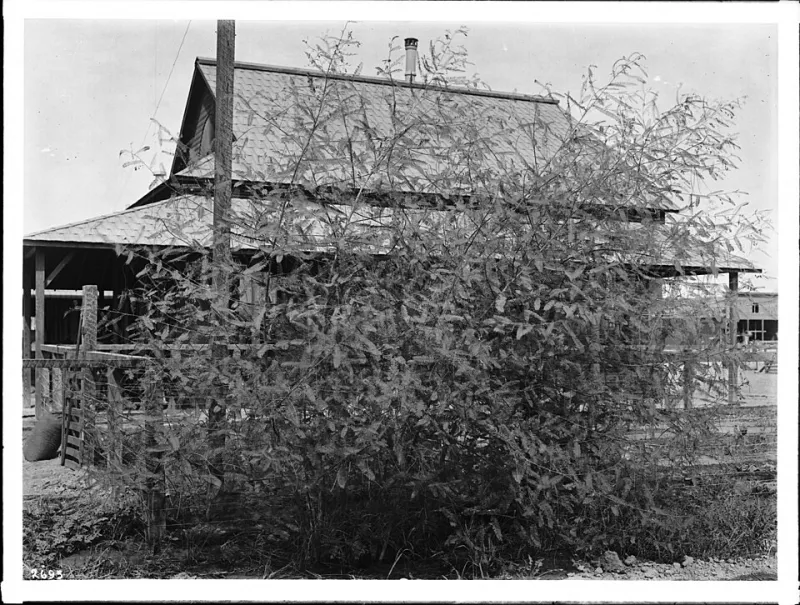
Photo: Pierce, C.C. (Charles C.), 1861-1946, Public domain, via Wikimedia Commons
When you crack open a new bottle of CBD oil, your brain probably goes straight to the certificate of analysis, the milligram count, or maybe the flavor. Fair enough. But here's a thought that doesn't get nearly enough airtime: before that CBD ever became an oil, a gummy, or a softgel, it spent months as a living plant with its roots buried in soil. And that soil? It had an enormous say in what you're now putting into your body.
This isn't just agricultural trivia. It's actually one of the most practical things a CBD buyer can understand—because the quality of the ground shapes the quality of the plant, which shapes the quality of everything downstream.
Hemp Is a Soil Sponge (And That's a Double-Edged Sword)
Hemp has a remarkable biological trait that makes it both fascinating and a little risky from a consumer standpoint: it's a hyperaccumulator. That's the technical term for a plant that pulls up whatever's in the surrounding soil—minerals, nutrients, water—with unusual efficiency. Farmers have actually used industrial hemp to help clean up contaminated land, a process called phytoremediation.
Sounds cool, right? It is. But it also means that if the soil is loaded with heavy metals like cadmium or lead, pesticide residues, or industrial runoff, the hemp plant is going to absorb a meaningful portion of that, too. And those contaminants don't magically disappear during extraction. They can concentrate in the final product.
This is why "grown in the USA" matters more than it might seem. American hemp farms are subject to USDA regulations, state agricultural oversight, and—if the brand is doing things right—third-party soil testing. That's a very different situation from hemp sourced from regions with looser environmental controls and less regulatory transparency.
What Healthy Hemp Soil Actually Looks Like
Quality hemp cultivation starts with soil that's been thoughtfully prepared and maintained. A few key indicators:
Balanced pH levels. Hemp prefers a soil pH in the range of 6.0 to 7.0. Outside that window, the plant struggles to absorb nutrients properly, which can result in weaker cannabinoid profiles and lower overall yield. Reputable farms test and adjust their soil pH before and during the growing season.
Organic matter and microbial life. Healthy soil isn't just dirt—it's a living ecosystem. Rich organic matter feeds beneficial microbes that help break down nutrients into forms the plant can actually use. Farms that rely heavily on synthetic fertilizers can disrupt this ecosystem over time, which often shows up in the plant's health and cannabinoid expression.
Absence of synthetic pesticides and herbicides. Some pesticide residues are persistent—they don't break down quickly and can linger in both soil and plant tissue. Certified organic farms or farms that follow regenerative or no-spray practices significantly reduce this risk. When a brand mentions "clean farming" or "pesticide-free," those aren't just marketing words—they're pointing to real decisions made in the field.
Crop rotation history. What was grown in that field before hemp? If it was a crop that required heavy chemical inputs, those residues might still be hanging around in the soil. Farms with thoughtful rotation histories—or those that have been growing hemp long enough to have established clean fields—are in a better position.
The Climate and Geography Factor
Soil doesn't exist in isolation. The climate surrounding it matters enormously. Hemp grown in the Pacific Northwest faces different humidity, rainfall, and temperature conditions than hemp grown in Colorado or the Southeast. Each environment produces plants with subtly different terpene and cannabinoid profiles.
Colorado and Oregon have become well-regarded hemp-growing regions in the US, partly because of favorable climates and partly because of the strong agricultural infrastructure and testing culture that's developed there. That doesn't mean hemp from other states is inferior—but geography is a real variable, and brands that can speak to their specific growing region are generally more transparent than those who can't tell you where their hemp comes from at all.
The Questions You Should Actually Be Asking Brands
Here's where this gets practical. Most consumers don't have access to a soil test—but you can ask the right questions and see how a brand responds. Transparency is itself a signal.
"Where is your hemp grown?" A vague answer like "the USA" is less reassuring than "our farms are in southern Oregon" or "we work with three family farms in Colorado." Specificity suggests real relationships with real growers.
"Do you test your soil or source hemp from farms that do?" This question alone will separate brands that have thought about this from those who haven't. You're not expecting every company to run its own agricultural program—but they should at least be asking their suppliers these questions.
"Is your hemp grown organically or following any regenerative practices?" Even if the hemp isn't USDA Certified Organic (certification is expensive and many small farms skip it despite clean practices), a brand that can describe its farming philosophy has something real to share.
"What does your COA test for?" A certificate of analysis from a third-party lab should include not just cannabinoid potency but also heavy metals, pesticide residues, and microbial contaminants. If a brand's COA only shows cannabinoid percentages, that's a gap worth noting.
Why This Matters More as the Industry Matures
The US hemp industry is still relatively young. Standards are evolving, regulations are tightening, and the range between the most responsible brands and the least responsible ones is genuinely wide. As a buyer, understanding the full chain—from soil to shelf—puts you in a much stronger position to make choices that align with what you actually care about.
At Nature's Garden CBD, we think about wellness as something rooted in the natural world, not just manufactured in a lab. That philosophy extends all the way back to the field. A CBD product is only as clean and potent as the plant it came from, and that plant is only as healthy as the ground it grew in.
So next time you're evaluating a new CBD brand, don't stop at the label. Ask what's underneath it—literally.
The Short Version
If you take one thing away from all this: the best CBD products don't start at the extraction facility. They start in healthy, well-managed soil, on farms where someone is paying attention to what goes into the ground and what comes out of it. That care—or the lack of it—travels all the way to your bottle. And now you know exactly how to ask about it.