Don't Let Your CBD Go to Waste: What Heat, Light, and Time Are Quietly Doing to Your Stash
Imagine planting a garden in August, nurturing it all season, and then just... leaving it out in the frost. All that care, time, and money—gone. Storing your CBD carelessly is pretty much the same story. Whether you've spent $30 or $150 on a quality product, improper storage can quietly degrade it to the point where it's doing almost nothing for you.
The good news? Once you understand what's actually happening at a chemical level, protecting your investment becomes pretty straightforward. Let's get into it.
Why CBD Degrades in the First Place
CBD (cannabidiol) is a phytocannabinoid, which means it's an organic compound derived from a plant. Like most organic compounds, it isn't immortal. Exposure to certain environmental conditions triggers a process called oxidative degradation—essentially, the molecular structure of CBD breaks down when it reacts with oxygen, light, or heat.
When this happens, the active cannabidiol in your product converts into other compounds, many of which have little to no therapeutic value. Some research suggests that improperly stored CBD can lose a significant portion of its potency within just a few months. So that "full-spectrum" tincture you've been nursing along for six months? It might be a shadow of what it once was.
The three main culprits are light, heat, and time—and they rarely work alone.
Light: The Silent Potency Thief
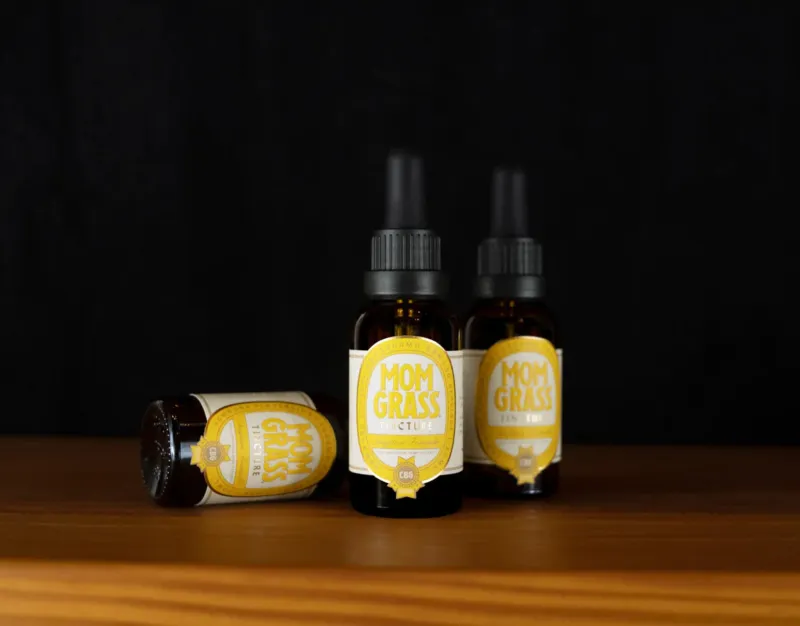
Ultraviolet (UV) light is particularly aggressive when it comes to cannabinoid degradation. This is actually why most quality CBD products come in amber or dark-colored glass bottles—manufacturers know this. UV rays accelerate oxidation and can break down terpenes and cannabinoids rapidly, sometimes within days of consistent exposure.
But here's the thing: it's not just direct sunlight you need to worry about. Fluorescent kitchen lighting, the bright LEDs over your bathroom vanity, even indirect sunlight through a window—all of these contribute to photodegradation over time.
What to do: Store your CBD in a dark cabinet, drawer, or pantry. If your product came in clear packaging, consider transferring it to a dark glass container. Think of it the way a gardener thinks about shade-loving plants—some things just do better out of the spotlight.
Heat: The Accelerant You're Probably Ignoring
Temperature plays a massive role in how long your CBD stays effective. Cannabinoids begin to degrade at relatively modest temperatures—consistent exposure above 70–77°F (21–25°C) can noticeably speed up the breakdown process. Now think about where most Americans keep their CBD: on the kitchen counter near the stove, in a bathroom cabinet (hello, steam from hot showers), or in a car's center console during a Texas summer.
All of these locations are essentially slow-cooking your CBD into irrelevance.
Heat also affects the carrier oils that most CBD tinctures use—MCT oil, hemp seed oil, or olive oil. Rancidity in carrier oils not only affects taste and smell but can also indicate that the overall product has gone off.
What to do: Aim for a consistently cool environment. A kitchen cabinet away from the stove, a bedroom nightstand, or even the refrigerator works well. CBD doesn't need to be frozen, but a cool, stable temperature is ideal. If you live somewhere that gets genuinely hot in summer, the fridge is your friend.
Oxygen and Humidity: The Bonus Troublemakers
Think of oxygen exposure as the slow drip that eventually floods the basement. Every time you open your tincture bottle, a little air gets in. Over weeks and months, that cumulative oxygen exposure accelerates degradation significantly. This is also why buying in bulk isn't always the smartest move—unless you're storing extras properly.
Humidity is a lesser-discussed issue, but it matters for CBD capsules, gummies, and flower products especially. Moisture can encourage mold growth and break down the structural integrity of edible products faster than you'd expect.
What to do: Always close your CBD products tightly after each use. For capsules or gummies, consider a small airtight container with a silica gel desiccant packet inside. For flower products, a humidity-controlled glass jar (similar to what serious cannabis consumers use) is worth the small investment.
How to Tell If Your CBD Has Already Gone Bad
Sometimes, despite best efforts, things go sideways. Here are the signs that your CBD product may have degraded beyond usefulness:
- Color change: CBD oil that's turned dark brown or murky (when it was previously clear or golden) is a red flag.
- Off smell: A rancid, sour, or "off" odor—especially in tinctures—often means the carrier oil has gone bad.
- Thicker or cloudier texture: Some cloudiness in the cold is normal, but persistent cloudiness at room temperature can signal degradation.
- Reduced effectiveness: If you've been using the same product consistently and suddenly it feels like it's not working as well, storage conditions may be the culprit.
- Expired date: This one sounds obvious, but a surprising number of people ignore expiration dates on wellness products. Most CBD products have a shelf life of 12–24 months when stored correctly—less if they haven't been.
The Cost-Benefit Math Is Actually Pretty Simple
Let's be real: quality CBD isn't cheap. A solid full-spectrum tincture from a reputable brand can run anywhere from $60 to $150 or more. A dark glass storage jar? Maybe $10. A small drawer organizer to keep things in a dark, cool spot? Free, if you already have one.
The cost of not storing your CBD properly is paying full price for a product that's operating at 50% (or less) of its intended potency. That's not a wellness investment—that's a wellness gamble.
Think of proper storage the same way a seasoned gardener thinks about protecting seeds over winter. A little preparation and the right environment means everything you've planted actually survives to do its job in the spring.
Quick-Reference Storage Checklist
Before you close this tab, run your current setup against this list:
- ✅ Stored away from direct light (sunlight AND artificial light)
- ✅ Kept at a consistently cool temperature (ideally below 70°F)
- ✅ Sealed tightly after every use
- ✅ Away from steam, moisture, or humidity (no bathroom cabinets)
- ✅ In dark glass or opaque packaging
- ✅ Not stored in a hot car or near heat-producing appliances
- ✅ Within the product's expiration window
If you checked all seven, you're doing great. If a few of those gave you pause, it might be time to relocate your stash.
The Bottom Line
CBD is a natural, plant-derived compound—and like anything that comes from a garden, it needs a little respect and the right conditions to stay at its best. The science of cannabinoid degradation isn't complicated once you understand it: keep things dark, cool, dry, and sealed, and your product will work the way it was designed to.
Your wellness routine deserves the same care you put into choosing the right product in the first place. Don't let a windowsill or a hot car be the reason your CBD stops working for you.