Stop Guessing Your CBD Dose: A Smarter Framework for Finding What Actually Works for You
Why CBD Dosing Feels Like a Moving Target
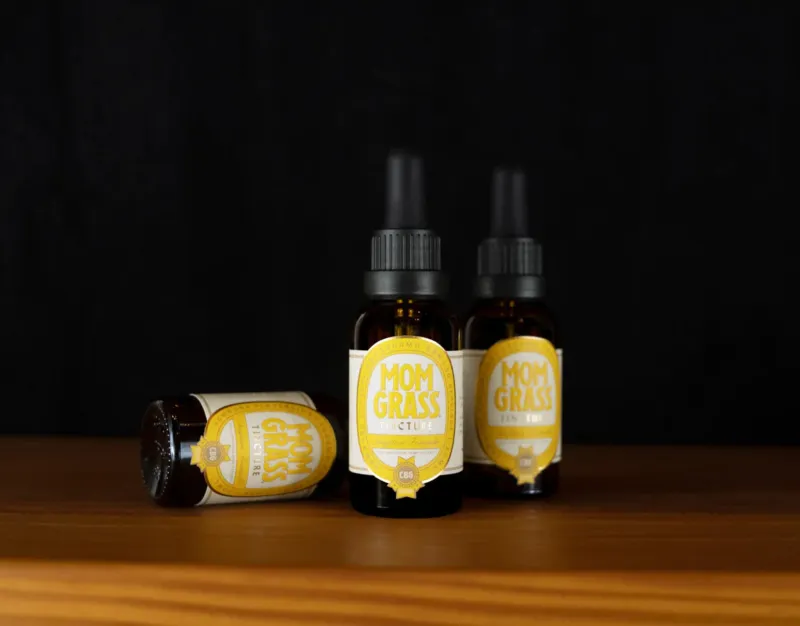
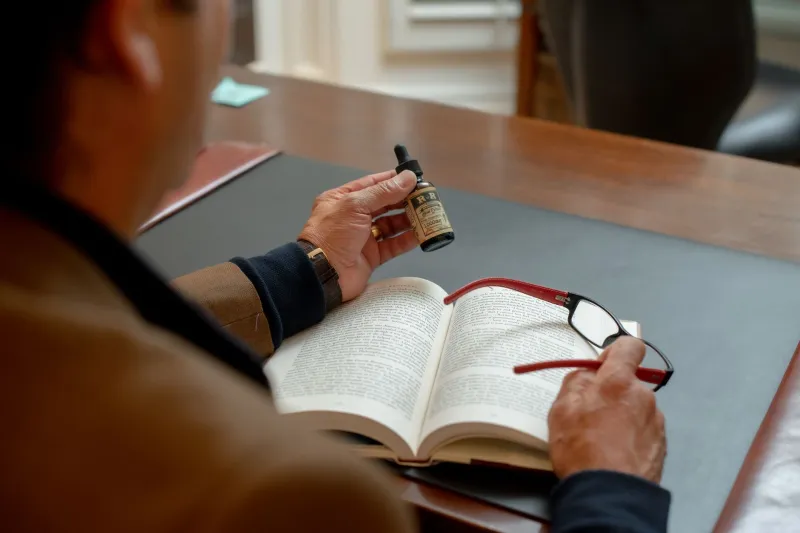
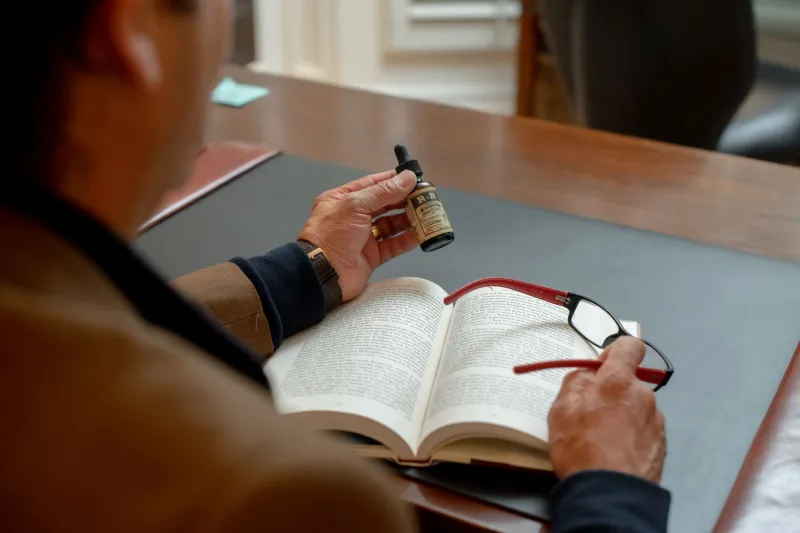
If you've ever stared at a CBD tincture bottle, read the label three times, and still had absolutely no idea how much to take — you're in good company. Most people start their CBD journey armed with nothing more than a vague suggestion to "start low and go slow." And while that advice isn't wrong, it's about as useful as telling someone to "cook on medium heat" without knowing what they're making or how hot their stove runs.
The truth is, CBD dosing is genuinely personal. Not in a hand-wavy, everyone-is-different kind of way, but in a measurable, explainable way that you can actually work with. Once you understand the variables at play, finding your sweet spot starts to feel a lot less like guesswork and a lot more like tuning a dial.
The Variables That Actually Move the Needle
Before you can build a smarter dosing approach, it helps to understand what's influencing how your body responds to CBD in the first place.
Body weight and composition play a role, though maybe not in the way you'd expect. CBD is a fat-soluble compound, meaning it gets stored in fatty tissue. People with higher body fat percentages may find that CBD absorbs more readily — but it can also linger longer in the body. A rough starting guideline many practitioners use is 1–6 mg of CBD per 10 pounds of body weight, adjusted based on the intensity of what you're trying to address.
Metabolism is another big factor. If your system processes things quickly — you metabolize caffeine fast, medications wear off sooner than expected — you may find that CBD's effects feel shorter-lived and that you need to dose more frequently rather than at higher amounts.
Bioavailability might be the most underappreciated piece of the puzzle. This refers to how much of the CBD you consume actually makes it into your bloodstream. Swallowing a capsule? You're probably absorbing somewhere between 6–19% of what's on the label, thanks to first-pass metabolism in the liver. Holding a tincture under your tongue for 60–90 seconds before swallowing bumps that absorption significantly — some estimates put sublingual delivery closer to 20–30%. Vaping or inhaling hits faster and absorbs more efficiently still, though it comes with its own considerations. The method matters enormously, and people who switch delivery formats often feel like they've changed their dose entirely — because functionally, they have.
What you're using it for also shapes how much you need. General daily wellness support typically calls for much lower doses than targeting something like chronic discomfort or sleep disruption. These aren't the same job, and treating them like they are is one of the most common reasons people feel like CBD "isn't working."
Building Your Personal Dosing Framework
Here's a practical, step-by-step approach to moving past guesswork:
Step 1: Establish a true baseline. Pick one product, one delivery method, and stick with it for at least two weeks before drawing any conclusions. Switching between a gummy one day and a tincture the next makes it nearly impossible to track what's actually happening.
Step 2: Start lower than you think you need. For most adults, 10–15mg per day is a reasonable starting point. The goal here isn't to feel anything dramatic — it's to introduce your endocannabinoid system to a consistent signal without overwhelming it.
Step 3: Track everything. Keep a simple log — even a notes app on your phone works. Write down the time you took it, the dose, the product, and how you felt 1 hour, 3 hours, and 6 hours later. Look for patterns over days, not moments.
Step 4: Increase incrementally. After five to seven days at your starting dose with no meaningful change, bump up by 5mg. Repeat this process until you notice a difference — positive or negative.
Step 5: Identify your minimum effective dose. This is the key move that separates smart dosing from just taking more. Once you find a dose that's working, try backing it down slightly. The goal is the lowest amount that still delivers results, not the highest you can tolerate.
The Plateau Effect: When Your Dose Stops Working
Here's something that doesn't get talked about enough: CBD plateaus are real, and they're frustrating.
After weeks or months of consistent use, some people notice that the same dose that used to work well starts feeling less effective. Before you assume you need to double your intake, consider a few other possibilities.
First, tolerance breaks are worth trying. Taking a three to seven day break from CBD allows your endocannabinoid receptors to essentially reset. Many people return from a short break and find their previous dose working well again.
Second, it might be a product quality issue rather than a tolerance issue. If you've recently finished one batch or brand and opened a new one, inconsistency in CBD concentration between products is more common than the industry would like to admit. Third-party lab testing (look for the COA, or Certificate of Analysis) can help you verify you're actually getting what the label claims.
Third, consider whether something else in your life has changed — sleep patterns, stress levels, diet, or new medications can all shift how your body processes CBD. What worked beautifully during a calm stretch might need recalibrating during a high-stress period.
A Word on Timing
When you take your CBD matters almost as much as how much you take. Fat-soluble compounds like CBD absorb better when taken with food, particularly meals that include healthy fats — think avocado toast, a handful of nuts, or a meal cooked in olive oil. Taking CBD on an empty stomach can reduce absorption meaningfully, which might explain why some people feel like their morning dose never quite hits the same as an evening one taken after dinner.
For sleep support, timing your dose 60–90 minutes before bed tends to work better than right before you hit the pillow. For general daytime wellness, splitting a daily dose into two smaller ones — morning and evening — often delivers more consistent results than one large dose.
The Bottom Line
There's no universal perfect dose, and anyone telling you otherwise is oversimplifying. But that doesn't mean dosing has to feel like a coin flip. Understanding your body's specific variables, choosing the right delivery method for your goals, and tracking your response systematically puts you in the driver's seat.
Finding your CBD sweet spot takes a little patience and a little science — but it's absolutely findable. Think of it less like following a recipe and more like tending a garden: pay attention, adjust as you go, and trust that with the right inputs, you'll land somewhere that feels just right.