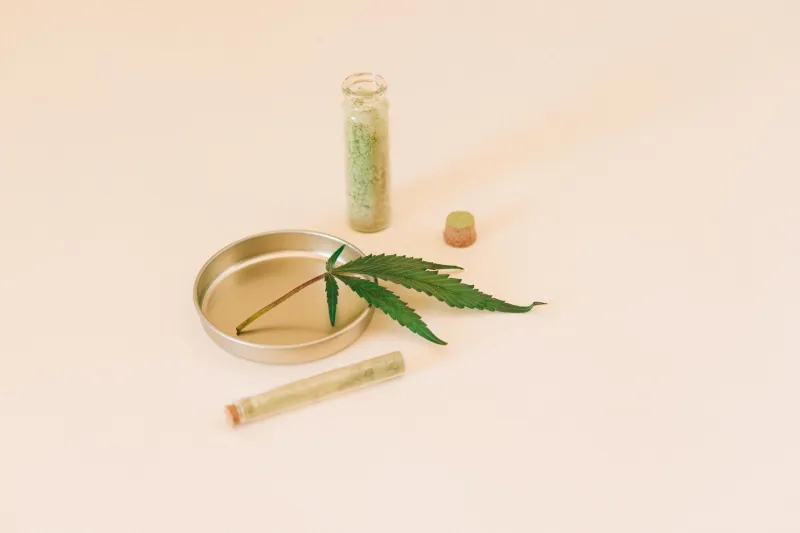
Sniff, Sip, and Select: Reading a CBD Product's Terpene Profile Like a Pro
Ever cracked open a CBD tincture and wondered why it smells like a pine forest while another one hits like fresh-squeezed lemonade? That's terpenes doing their thing — and learning to read those aromatic cues can completely change how you shop for CBD. Think of it less like buying a supplement and more like choosing a bottle of wine that actually matches your mood.
Sommeliers spend years training their noses to detect the difference between a buttery Chardonnay and a grassy Sauvignon Blanc. You don't need years of training to start making smarter CBD choices, but borrowing a little of that sensory-first mindset? That's genuinely useful.
What Terpenes Actually Are (And Why They're Not Just About Flavor)
Terpenes are aromatic compounds found all over the plant kingdom — in lavender, citrus peels, black pepper, and yes, cannabis. They're responsible for the distinctive scents that make a walk through a pine forest feel calming, or why a squeeze of lemon can snap you out of an afternoon slump.
In the cannabis plant, terpenes are produced in the same glands that make cannabinoids like CBD and THC. But they're not just hitchhikers along for the aromatic ride. Research suggests terpenes interact with the body's endocannabinoid system and may influence how cannabinoids behave — a concept often folded into the broader discussion of the entourage effect. In other words, what your CBD smells like might actually hint at what it does.
When you're browsing full-spectrum or broad-spectrum products, the terpene lineup is part of what makes each one unique. Understanding those profiles means you're shopping with your whole sensory toolkit, not just scanning milligram counts on a label.
The Major Terpene Families and What They Signal
Let's walk through the most common terpene profiles you'll encounter in CBD products, broken down the way a good wine list breaks down varietals — by character and what they pair well with.
Piney and Earthy: The Forest Floor
If your CBD tincture smells like a hike through a Colorado spruce grove, you're probably picking up pinene — one of the most abundant terpenes in nature. It's sharp, clean, and resinous. Some people describe it as almost mentholated.
Pinene is also found in rosemary, basil, and pine needles. Anecdotally, users who gravitate toward piney CBD products often report a sense of alertness and mental clarity, which tracks with some early research suggesting pinene may support focus. If you're reaching for CBD mid-afternoon to push through a work slump, a product with a piney profile might be worth exploring.
Earthy notes often come alongside pinene, or from myrcene — the most commonly found terpene in cannabis. Myrcene is muskier and heavier, a little like damp soil and ripe mango. Products with high myrcene content tend to feel more grounding and relaxing, making them a popular pick for evening routines.
Citrusy and Bright: The Sunshine Profile
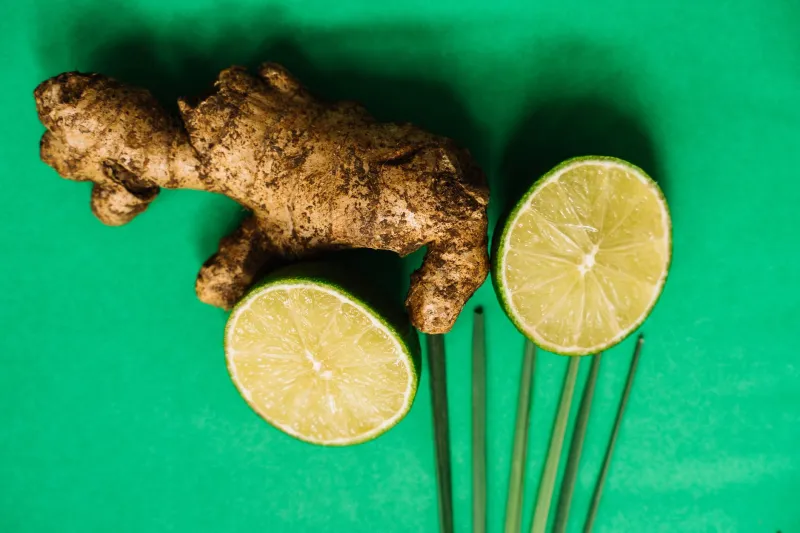
That cheerful, zesty smell in some CBD oils? Almost certainly limonene. You know it from lemon rinds, orange zest, and those citrus-scented cleaning products that somehow make cleaning feel less miserable.
Limonene-forward products tend to feel uplifting. Some wellness users specifically seek them out when stress or low mood is the main concern. It's one of the more approachable terpene profiles — bright, familiar, and easy to enjoy even if you're still getting used to the grassy taste of hemp-derived CBD.
If you've been avoiding CBD because you don't love the earthy flavor, starting with a citrus-dominant product is a genuinely good strategy. It's the CBD equivalent of easing into wine with a crisp, fruit-forward Pinot Grigio.
Floral and Sweet: The Garden Notes
Linalool is the terpene behind lavender's famously calming scent. CBD products with notable linalool content carry a soft, floral sweetness — think spa, not salad bar. Linalool is one of the terpenes most associated with relaxation and sleep support, and it shows up frequently in products marketed toward winding down at the end of the day.
If you already use lavender essential oils or have a chamomile tea habit before bed, you might find linalool-rich CBD products feel like a natural extension of that ritual.
Spicy and Peppery: The Bold Profile
Beta-caryophyllene is unusual in the terpene world because it also acts as a cannabinoid, binding directly to CB2 receptors in the body's endocannabinoid system. It's the spicy, peppery note in black pepper, cloves, and cinnamon — and it shows up in some CBD products as a warm, almost woody bite.
Products high in beta-caryophyllene are often chosen by people dealing with physical discomfort, since this terpene has attracted research interest for its potential role in the body's inflammatory response. It's a bolder flavor experience, but for the right wellness goals, it's worth getting comfortable with.
How to Actually Use This at the Checkout Screen
Here's the practical part. When you're shopping for CBD — whether online or in a dispensary — here's how to put terpene literacy to work:
Check the Certificate of Analysis (COA). A reputable CBD brand will post third-party lab results for every product. Many COAs now include terpene breakdowns alongside cannabinoid percentages. Look for the dominant terpenes listed and cross-reference them with the profiles above.
Read the product description with your nose in mind. When brands describe flavor notes like "citrus," "herbal," or "woody," they're often (intentionally or not) signaling terpene content. Use those descriptors as a starting point.
Match profile to purpose. Going into a stressful week? Reach for limonene-forward. Trouble sleeping? Myrcene and linalool are your friends. Managing daily physical tension? Beta-caryophyllene is worth a look. Think of terpenes as the flavor-forward version of reading the back label on a bottle of wine.
Start with small quantities. Just like you wouldn't commit to a case of wine without tasting it first, try sample sizes or travel-friendly formats when exploring new terpene profiles. Your preferences will develop over time.
The Bigger Picture: CBD as a Sensory Experience
One of the things that gets lost in all the milligram math and bioavailability debates is that CBD — especially high-quality, full-spectrum hemp oil — is a genuinely sensory product. The taste, the smell, the way it settles on your palate: all of that is data. It's your body responding to a complex botanical cocktail that humans have been interacting with for centuries.
Treating CBD selection like a wine connoisseur isn't about being precious or overcomplicated. It's about paying attention. The more you notice what a product smells and tastes like, the better equipped you are to understand why it works — or doesn't — for your specific wellness goals.
Your ideal CBD product is out there. Sometimes finding it just takes a little more sniffing around.