It Starts in Your Gut: Why Digestive Health Might Be the Missing Piece in Your CBD Routine
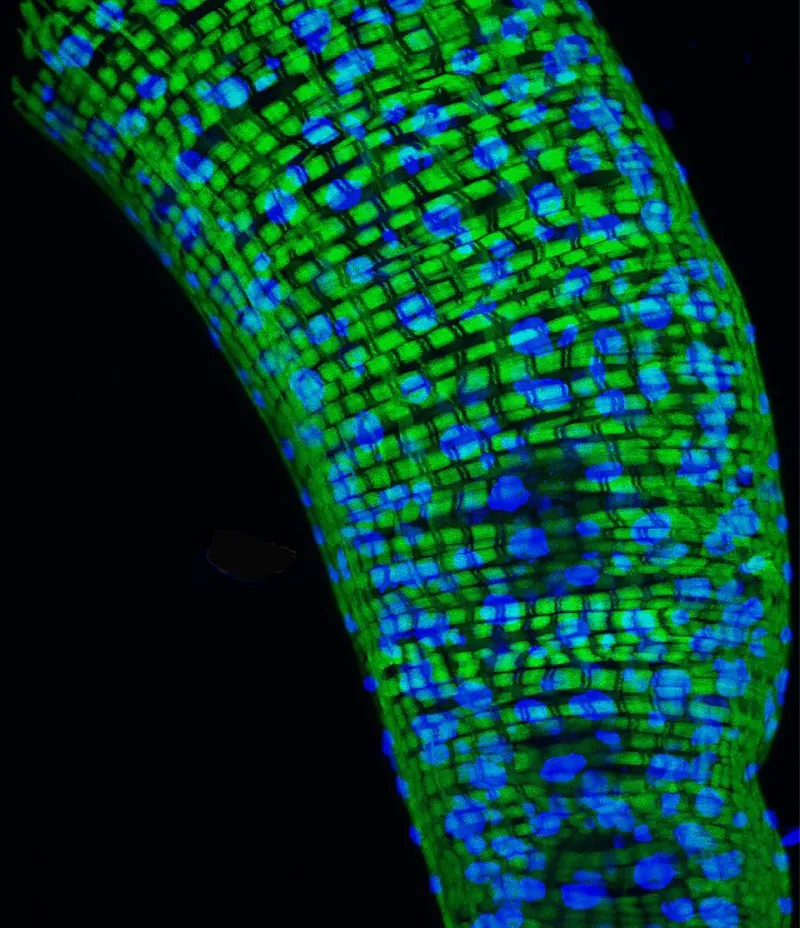
Photo: NIH Image Gallery from Bethesda, Maryland, USA, Public domain, via Wikimedia Commons
Let's say you've tried CBD. You bought a reputable product, followed the dosing directions, stayed consistent for a few weeks — and still felt pretty much nothing. Meanwhile, your friend swears by the same brand and calls it life-changing.
What gives?
The conversation usually jumps to tolerance, metabolism, or product quality. But there's a less-discussed variable that might actually explain more of the gap than any of those: your gut.
Specifically, the trillions of microorganisms living in your digestive tract — your microbiome — play a surprisingly central role in whether CBD can actually do anything useful in your body. Understanding that connection might be the key to unlocking results you've been chasing for months.
The Bioavailability Problem With Oral CBD
Before we get to the microbiome, it helps to understand why oral CBD is so inefficient to begin with.
When you swallow a CBD gummy or capsule, it has to survive your digestive system before it can enter your bloodstream. Stomach acid, digestive enzymes, and the liver's first-pass metabolism all chip away at the available compound. Studies have estimated that oral CBD bioavailability — the percentage of a dose that actually makes it into systemic circulation — can range from as low as 6% to around 20%, depending on the individual and the delivery format.
That's a wide range, and the reasons behind that variability are only beginning to be understood. Your microbiome is increasingly recognized as one of them.
What Your Gut Bacteria Actually Do
The human gut microbiome is a dense, dynamic ecosystem. A healthy gut hosts somewhere in the range of 100 trillion microorganisms representing hundreds of species. These bacteria, fungi, and viruses aren't just passive passengers — they actively participate in digestion, immune regulation, neurotransmitter production, and metabolic function.
Here's what's relevant to CBD: certain gut bacteria produce and regulate enzymes that affect how phytocannabinoids are metabolized. Emerging research has also pointed to the gut microbiome's influence on the permeability of the intestinal lining — the gateway through which CBD and other compounds pass into the bloodstream. When the gut lining is compromised (a condition sometimes called intestinal hyperpermeability or "leaky gut"), absorption becomes erratic and unpredictable.
Beyond the physical barrier, gut bacteria directly synthesize compounds that interact with the endocannabinoid system. Short-chain fatty acids (SCFAs) produced during bacterial fermentation of dietary fiber have been shown to influence CB receptor expression and ECS tone. In other words, what your gut bacteria eat affects how well your endocannabinoid system functions — which in turn affects how meaningfully CBD can engage with it.
The Gut-Brain Axis and the ECS
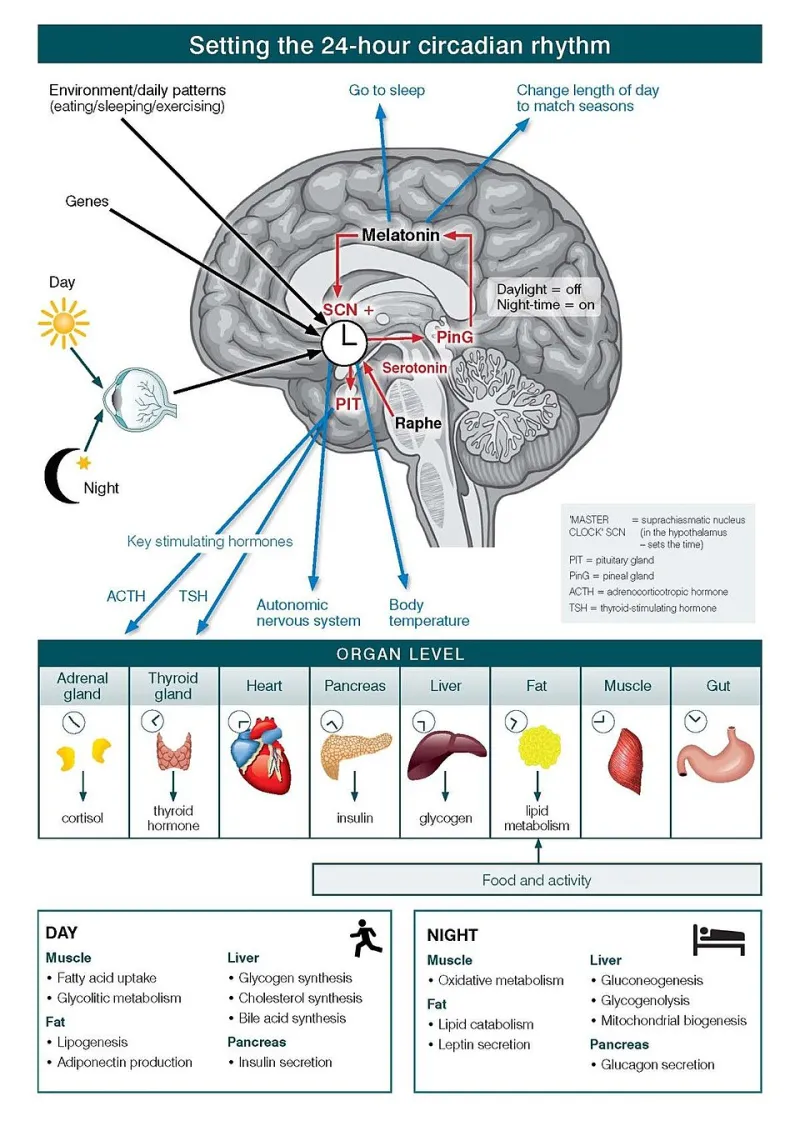
The relationship between your digestive system and your brain isn't just metaphorical. There's a well-documented communication highway called the gut-brain axis — a bidirectional network of neural, hormonal, and immunological signals connecting your enteric nervous system (the "second brain" in your gut) to your central nervous system.
The endocannabinoid system is deeply embedded in this axis. CB1 and CB2 receptors are found throughout the gastrointestinal tract, and the ECS helps regulate gut motility, inflammation, and intestinal permeability. This means the ECS isn't just a target for CBD — it's also an active participant in maintaining gut health. The relationship runs in both directions.
When gut health deteriorates — due to poor diet, antibiotic overuse, chronic stress, or other factors — ECS function in the gut can become dysregulated. This may reduce the overall responsiveness of the system, which could partly explain why some people with digestive issues report that CBD seems less effective for them.
Dysbiosis: When the Microbiome Works Against You
Dysbiosis is the clinical term for an imbalanced gut microbiome — too many of the wrong bacteria, not enough of the beneficial ones. It's more common than most people realize. Processed food-heavy diets, frequent antibiotic use, chronic stress, and inadequate sleep all contribute to microbial imbalance over time.
In a dysbiotic gut environment, several things happen that are directly relevant to CBD users:
- Intestinal permeability increases, making absorption less predictable and triggering low-grade systemic inflammation.
- SCFA production declines, reducing the microbial metabolites that help support healthy CB receptor expression.
- Neuroinflammation risk rises, because a compromised gut barrier can allow bacterial byproducts to enter the bloodstream and cross the blood-brain barrier — creating an inflammatory environment that may blunt the effects of wellness-oriented supplements, including CBD.
None of this is a reason to give up on CBD. It's a reason to look at your gut health as part of the equation.
What You Can Actually Do About It
The good news is that microbiome health is highly responsive to lifestyle changes. You don't need a prescription or an expensive protocol — you need consistency with some fairly straightforward inputs.
Feed the right bacteria. Dietary fiber from vegetables, legumes, and whole grains is the primary fuel source for beneficial gut microbes. Fermentable fibers — found in foods like garlic, onions, leeks, asparagus, and oats — are particularly effective at supporting microbial diversity.
Add fermented foods. Yogurt, kefir, sauerkraut, kimchi, and kombucha all introduce live bacterial cultures into the gut environment. Research from Stanford published in Cell found that a diet high in fermented foods significantly increased microbiome diversity and reduced inflammatory markers.
Consider a probiotic supplement. Not all probiotics are created equal, and the research on specific strains is still evolving — but multi-strain products containing Lactobacillus and Bifidobacterium species have a reasonable evidence base for supporting gut barrier integrity and reducing dysbiosis-related inflammation.
Reduce gut disruptors. Chronic stress, excessive alcohol, and ultra-processed foods are among the most consistent microbiome disruptors. Addressing even one of these consistently can make a meaningful difference over several weeks.
Take CBD with fat. While this doesn't fix dysbiosis, it's worth repeating: CBD is fat-soluble. Taking it alongside a meal that contains healthy fats — avocado, olive oil, nuts — can substantially improve absorption in the short term while you work on longer-term gut health.
Giving CBD a Better Environment to Work In
Thinking about CBD in isolation — as a standalone product with a fixed, predictable effect — misses a lot of what's actually happening in your body. Your gut is the first place CBD encounters after you swallow it, and the state of that environment shapes nearly everything that follows: how much gets absorbed, how your ECS responds, and whether the compound can actually reach the tissues where it might do some good.
Building a healthier gut isn't a quick fix. It's a gradual process that rewards consistency. But for people who've tried CBD and found it underwhelming, this might be the most overlooked lever available to them.
Sometimes the path to better results doesn't start with a better product. It starts with better soil.