Glass, Dark, and Cool: The Science of Keeping Your CBD Potent for the Long Haul
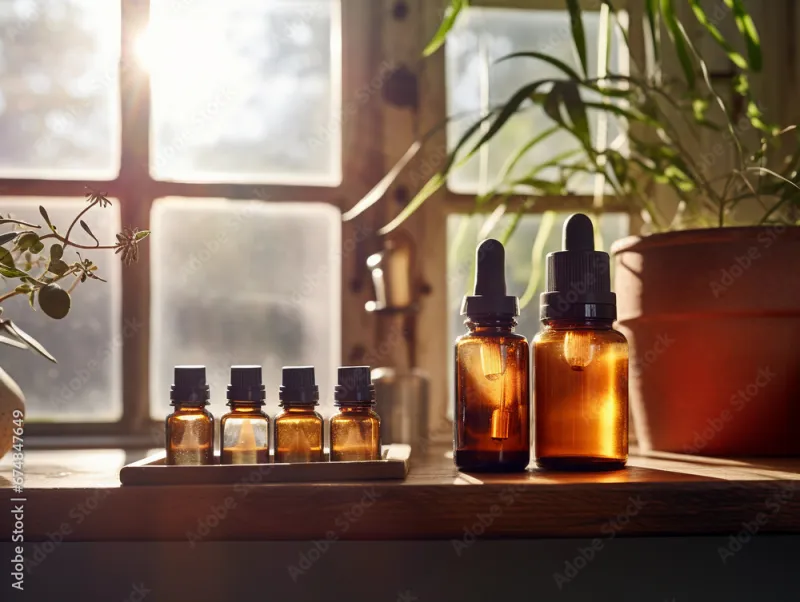
Photo: amber glass CBD oil bottles organized in dark wooden cabinet, via as1.ftcdn.net
You spent real money on that tincture. Or that batch of gummies. Or that carefully selected full-spectrum oil you researched for two weeks before clicking 'add to cart.' And then you left it on the kitchen counter next to the stove, in a clear plastic bottle, for four months.
No judgment — most of us have done it. But here's the thing: CBD doesn't just sit there quietly while you ignore it. It's actively breaking down, and depending on how you store it, that breakdown can happen surprisingly fast.
Let's get into the actual science, compare your real storage options head-to-head, and figure out the best setup for your specific products and your specific life.
Why CBD Degrades in the First Place
CBD (cannabidiol) is a cannabinoid — a complex organic compound that's inherently reactive. The two biggest threats to its stability are oxidation and photodegradation.
Oxidation happens when CBD molecules interact with oxygen. Over time, this chemical reaction converts CBD into other compounds, including CBN (cannabinol), which has a different and generally milder effect profile. Think of it like an apple browning after you slice it — same basic chemistry, different molecule.
Photodegradation is driven by UV light. UV radiation carries enough energy to break the molecular bonds in cannabinoids directly, accelerating the same breakdown that oxidation causes more slowly. This is why high-quality CBD products almost always come in dark amber or opaque bottles — it's not just aesthetic.
Heat is the third culprit. Higher temperatures speed up both processes dramatically. A product stored at 77°F degrades measurably faster than the same product stored at 55°F. Over a 6-to-12-month window, that difference in potency can be significant — some studies on cannabinoid stability suggest losses of 20–40% in suboptimal conditions compared to well-stored samples over a year.
The Container Showdown: Glass vs. Plastic
This one isn't really a contest.
Glass wins, and it's not close. Here's why:
- Glass is non-porous, meaning it doesn't allow oxygen to slowly seep through the container walls the way some plastics do.
- Glass doesn't leach chemicals into your product. Certain plastics — especially when exposed to heat or light — can release trace compounds that interact with the oil in your tincture or the carrier oil in your capsules.
- Glass, particularly dark amber or cobalt blue glass, blocks a meaningful portion of the UV spectrum.
Plastic isn't a disaster for short-term storage (a few weeks), and most manufacturers who use plastic are using food-grade, BPA-free options. But for anything you're planning to use over several months, transferring your product to a small, dark glass jar or bottle is genuinely worth doing.
If you buy gummies or capsules in plastic packaging, consider moving them into a dark glass container with a tight seal after opening.
Opaque vs. Clear Containers
If glass is the winner of the material category, opaque or dark-tinted containers win the transparency debate — ironically.
Clear glass or plastic lets in the full visible and UV light spectrum. Amber glass blocks a substantial portion of UV. Opaque containers (ceramic, dark plastic, foil-lined packaging) block virtually everything.
For tinctures and oils that you're going to use over 2–3 months, amber glass is perfectly sufficient. For anything you're stocking up on — buying in bulk, storing a backup supply — opaque is the smarter call.
A simple hack: store your clear-container products inside a small cardboard box or a dark pantry cabinet. It's not as elegant as a proper amber bottle, but it does the job.
Room Temperature vs. Refrigeration: What Actually Makes Sense
This is where people get the most confused, and where your specific product type matters most.
Tinctures and oils: Refrigeration genuinely extends shelf life. The cool temperature slows oxidation and keeps the carrier oil (usually MCT, hemp seed, or olive oil) from going rancid. The tradeoff is that cold oil gets thick and can be harder to dose precisely. Let it come to room temperature for 5–10 minutes before use, or just run the bottle under warm water briefly.
Gummies and edibles: Room temperature in a cool, dark spot is usually fine for 3–6 months. Refrigeration can extend that, but some gummies get hard or develop condensation issues that affect texture. Check your product's label — many manufacturers include specific guidance.
Capsules and softgels: These are the most forgiving. A cool, dark drawer or cabinet works well. Refrigeration is optional unless you're in a warm climate (think: apartments without AC in summer).
Topicals: Most CBD creams and balms are formulated to be stable at room temperature. Refrigerating them can actually change the texture in ways that make application harder. Keep them away from direct sunlight and heat sources and they'll hold up fine.
The Freezer: Overkill or Underrated?
Freezing CBD products is technically possible and does preserve potency over very long storage periods (think: 12+ months). But there are real downsides.
Repeated freeze-thaw cycles can degrade the emulsification of oil-based products, leading to separation that's hard to fully reverse. Gummies can become brittle. And most people simply don't need to freeze CBD — if you're cycling through a product within 6–9 months, a cool, dark cabinet or the fridge is more than adequate.
If you're buying in serious bulk and won't touch a product for a year or more, freezing in an airtight, dark container is a legitimate option.
Building Your Storage Setup
Here's a practical summary based on everything above:
Best setup for most people:
- Dark amber glass bottles or jars (transfer products if needed)
- A dedicated drawer, cabinet, or small box away from heat sources and windows
- Consistent cool room temperature (ideally below 70°F)
- Tight-fitting lids to minimize oxygen exposure
Upgrade for serious users:
- Refrigerator storage for tinctures and oils
- Vacuum-sealed containers for bulk purchases
- Silica gel desiccant packets inside storage boxes to manage humidity
What to avoid:
- Windowsills, counters near the stove, or on top of the refrigerator (warm and humid)
- Clear plastic bottles left in direct light
- Leaving lids loosely closed between uses
The Bottom Line
CBD isn't delicate in the way that, say, fresh produce is. But it does respond to its environment over time, and the difference between a well-stored product at month nine and a poorly stored one is real — both in terms of potency and overall quality.
A little intentionality goes a long way. Dark glass, a cool spot, a tight lid. That's genuinely most of it. Your future self — the one who reaches for that tincture six months from now — will notice the difference.